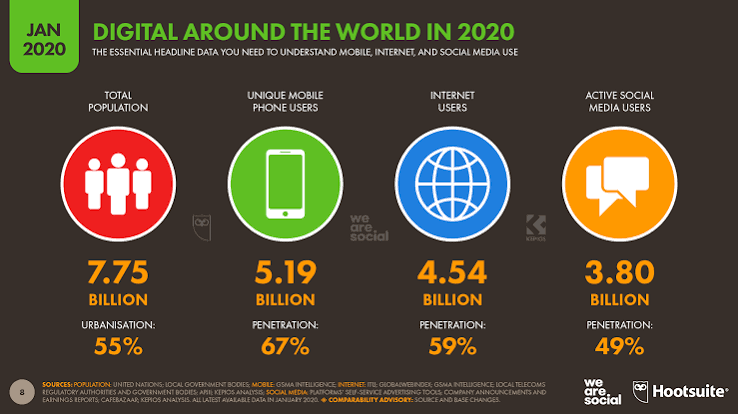

In today’s connected world, digital platforms have become an essential part of everyday life. From communication and shopping to entertainment, education, banking, and work, people rely on online services to complete tasks faster and more conveniently. Even specialized platforms such as luxury138 demonstrate how digital experiences can connect users with specific services and interests. Understanding how these platforms work is important for everyday users because it helps them make better choices, protect their personal information, and use technology with greater confidence.
What Are Digital Platforms?
A digital platform is an online environment that allows people to access services, information, products, or communities through the internet. Websites, mobile applications, social media networks, online marketplaces, streaming services, and cloud-based tools are all examples of digital platforms.
Unlike traditional businesses that may depend entirely on physical locations, digital platforms allow users to interact from almost anywhere. A person can purchase an item from an online store, attend a virtual meeting, watch a movie, or communicate with friends without needing to travel.
The main purpose of a digital platform is to make interaction easier. Platforms often bring together users, businesses, creators, and service providers in one convenient environment. This makes them powerful tools for modern life.
The Different Types of Digital Platforms
Digital platforms are available in many forms, and each type serves a different purpose. Understanding these categories can help users recognize how they fit into their daily routines.
Social Media Platforms
Social media platforms allow users to connect, communicate, and share content. People can publish photographs, videos, opinions, and updates while interacting with friends, communities, and organizations.
These platforms have changed the way people communicate. Instead of waiting for traditional news or contacting someone individually, users can instantly share information with a large audience. However, social media also requires responsible use because not every piece of information published online is accurate.
E-Commerce Platforms
Online shopping platforms have transformed the way people buy products and services. Users can compare prices, read reviews, view product information, and place orders from their computers or smartphones.
The convenience of e-commerce is one of its biggest advantages. Customers can shop at any time without being restricted by traditional store hours. However, users should always check seller reputation, payment security, return policies, and customer feedback before making purchases.
Entertainment Platforms
Streaming services provide access to movies, television programs, music, podcasts, games, and other forms of entertainment. These platforms have made content available whenever users want it.
Instead of depending entirely on scheduled television broadcasts or physical media, people can choose what they want to watch or listen to. Personalized recommendations also help users discover new content based on their interests.
Educational Platforms
Digital education platforms provide courses, tutorials, lectures, and learning materials. Students and professionals can develop new skills without always attending a physical classroom.
Online learning is particularly useful for people who have busy schedules or limited access to traditional educational institutions. However, users should choose reliable learning resources and verify the quality of courses before investing time or money.
Financial Platforms
Online banking and financial applications allow users to manage money, transfer funds, pay bills, and monitor transactions. These services can save significant time and reduce the need to visit physical branches.
Because financial platforms handle sensitive information, security is extremely important. Users should create strong passwords, enable additional authentication methods, and avoid accessing financial accounts through suspicious links or unsecured networks.
How Digital Platforms Improve Everyday Life
One of the greatest benefits of digital platforms is convenience. Tasks that once required considerable time can now be completed within minutes.
For example, a person can order groceries online, schedule an appointment, send documents, attend a meeting, or pay a bill without leaving home. This convenience is especially valuable for people with demanding work schedules or limited mobility.
Digital platforms also improve access to information. Search engines, online libraries, news websites, and educational resources allow people to explore topics from around the world. Users can learn about unfamiliar subjects, research products, and discover new opportunities with just a few clicks.
Another important benefit is connectivity. Families and friends living in different cities or countries can communicate through video calls and messaging services. Businesses can collaborate across borders, while freelancers can work with clients in different regions.
The Importance of User-Friendly Design
A successful digital platform should be easy to understand and navigate. User-friendly design helps people find information, complete tasks, and solve problems without unnecessary confusion.
Important design elements include clear menus, readable text, simple navigation, responsive layouts, and accessible features. A platform that is difficult to use may discourage users, even if it offers valuable services.
For everyday users, understanding basic interface elements is helpful. Buttons, menus, search fields, account settings, notifications, and privacy controls are common across many platforms. Learning how these features work makes it easier to adapt to new digital services.
Digital Privacy and Personal Information
While digital platforms provide many benefits, they also create privacy concerns. Many services collect information about users, including names, email addresses, browsing activity, preferences, and sometimes location data.
Users should understand that information shared online may be stored or processed by companies. Before creating an account, it is useful to review privacy policies and understand what information a platform collects.
People should also avoid sharing sensitive details unnecessarily. Personal identification numbers, passwords, financial information, and private documents should only be provided through trusted and secure channels.
Privacy settings can also help users control their online presence. Reviewing account permissions and limiting unnecessary access to personal information is a simple but important digital habit.
Staying Safe on Digital Platforms
Cybersecurity is another essential part of digital platform use. Online threats can include phishing messages, fake websites, malicious software, identity theft, and fraudulent transactions.
One of the simplest ways to improve security is to use strong and unique passwords. Users should avoid using the same password for every account because a security breach on one platform could potentially affect multiple accounts.
Two-factor authentication provides an additional layer of protection. When available, users should consider enabling it, particularly for email, banking, and other important accounts.
It is also important to be careful with unexpected messages. A suspicious email or message may encourage users to click a link, download a file, or provide personal information. Before taking action, users should verify the source and check the destination carefully.
Understanding Algorithms and Recommendations
Many digital platforms use algorithms to personalize the experience. An algorithm is a set of instructions used by software to process information and make decisions.
For example, a streaming platform may recommend movies based on previous viewing habits. A social network may display posts based on interactions, while an online store may suggest products similar to those a user has previously viewed.
These recommendations can make platforms more convenient, but users should remember that algorithms do not always show a complete picture. They may prioritize content based on engagement or previous activity.
Developing digital awareness means understanding that what appears on a screen may be personalized. Users should actively explore different sources instead of relying entirely on automated recommendations.
Evaluating Online Information
The internet provides an enormous amount of information, but not all of it is reliable. False claims, misleading headlines, edited images, and inaccurate articles can spread quickly.
Everyday users should develop basic information-checking habits. Before accepting an important claim, consider who published it, when it was published, and whether other trustworthy sources support it.
Users should also distinguish between facts, opinions, advertisements, and personal experiences. A confident statement on social media does not automatically make it true.
Digital literacy means being able to question information rather than accepting everything immediately. This skill is increasingly important as artificial intelligence and automated content generation become more common.
The Role of Mobile Devices
Smartphones have made digital platforms more accessible than ever. Many people now use mobile devices as their primary way of accessing the internet.
Mobile applications allow users to communicate, shop, work, learn, and manage finances while traveling or away from home. However, convenience can sometimes lead to excessive screen time.
Users can maintain healthier digital habits by turning off unnecessary notifications, setting limits on distracting applications, and taking regular breaks. Technology should support daily life rather than constantly interrupt it.
Digital Platforms and the Future
Digital platforms will continue to evolve as technology advances. Artificial intelligence, automation, virtual reality, cloud computing, and improved connectivity are likely to change how people interact with online services.
Artificial intelligence is already influencing search, customer support, content creation, recommendations, and productivity tools. In the future, platforms may become even more personalized and capable of responding to individual needs.
At the same time, users will need to remain aware of issues involving privacy, security, misinformation, and responsible technology use. Greater technological capability also creates a greater need for digital responsibility.
How Everyday Users Can Become More Digitally Confident
Becoming comfortable with digital platforms does not require advanced technical knowledge. Users can start by learning basic skills and gradually building confidence.
First, learn how to manage account settings and privacy controls. Second, practice recognizing suspicious messages and websites. Third, keep devices and applications updated. Fourth, use secure passwords and additional authentication where possible.
It is also helpful to explore new platforms carefully. Rather than creating accounts everywhere, users should consider whether a service is genuinely useful and whether its privacy practices are acceptable.
Most importantly, users should not be afraid to ask questions. Digital technology changes quickly, and no one is expected to understand every new feature immediately. A willingness to learn is often more valuable than having technical expertise.
Conclusion
Digital platforms have become an important part of modern everyday life. They provide convenient ways to communicate, shop, learn, work, manage finances, and enjoy entertainment. At the same time, responsible use requires awareness of privacy, cybersecurity, algorithms, and online information quality.
For everyday users, digital literacy is no longer an optional skill. Understanding how platforms function helps people make informed decisions and avoid common online risks. By developing strong security habits, evaluating information carefully, managing privacy settings, and maintaining healthy technology habits, users can enjoy the benefits of digital platforms while reducing potential problems.
The future of digital technology will bring even more opportunities and challenges. Those who understand how to use digital platforms thoughtfully will be better prepared to navigate an increasingly connected world with confidence, safety, and control.