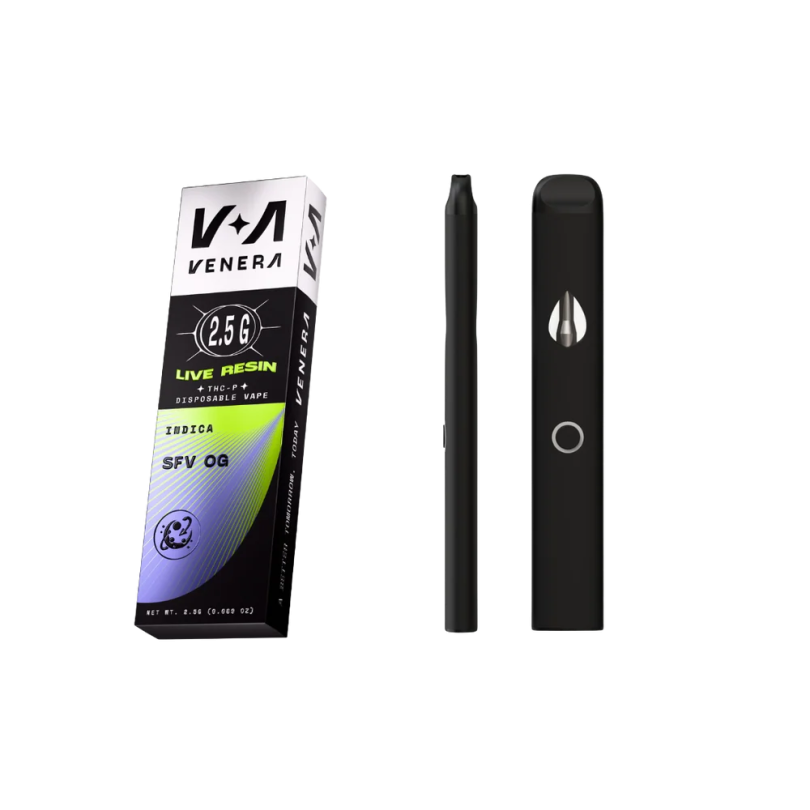

A vape cartridge doesn’t give you much to go on. You can’t smell the oil before you buy it, you can’t see the extraction process, and you definitely can’t tell from the outside whether what’s inside was properly purged of solvents. The lab report is really the only real evidence you get, and most people glance at the potency number and stop there.
That’s a mistake specifically with vapes, more than with flower or edibles, because heating oil and inhaling it introduces risks that a flower report doesn’t need to account for. If you’re comparing thca vape cartridges for sale, the report attached to each product is worth actually reading, not just skimming for the biggest percentage.
Match the Batch Before You Read Anything Else
This applies to every cannabis product, but it matters even more with vapes because oil from different extraction runs gets blended and repackaged more often than flower does. A report needs to be tied to the specific batch number printed on your cartridge or disposable, not just the product name in general.
If the batch numbers don’t match, you’re looking at a report for oil that may share nothing with what’s actually in your device beyond the strain name. This happens more than people assume, especially with lower-cost brands that test one early batch, post that report permanently, and never retest as new oil gets produced. Check the number before you trust anything else on the page.
Cannabinoid Potency Needs Context, Not Just a Number
The front of the packaging leads with a THCA or total THC percentage, but a proper report breaks that down further. You want to see the delta-9 THC level specifically, confirmed under 0.3 percent by dry weight, since that’s what keeps the product federally compliant. You also want total THC calculated after conversion, since that’s the number that actually predicts strength once the oil is heated and inhaled, not the raw THCA figure printed in bold on the label.
Vape oil sometimes gets diluted more than flower does to help it flow properly through the hardware, which means the percentage on a vape can be a little more sensitive to exactly how the product was formulated. A report showing a big gap between the advertised percentage and the actual tested result is worth noticing, even if the tested number is still reasonably strong.
Residual Solvents Matter More Here Than With Any Other Format
This is the section that separates a vape report from a flower report, and it’s the one people skip most often. Extraction almost always involves some kind of solvent, commonly butane, propane, or CO2, and if that solvent isn’t fully purged before the oil goes into a cartridge, trace amounts end up getting vaporized directly into your lungs.
A complete report tests for residual solvents specifically and shows results under the established limits for each compound tested. If this section is missing entirely, or the report only covers cannabinoid potency, that’s a real gap, not a minor oversight. This is one of the clearest signs of a brand cutting corners on testing, since it’s also one of the more expensive panels to run, which is exactly why some cheaper products skip it.
If you’re comparing a few different places to buy thca vape products, residual solvent testing is a fast way to separate brands that take manufacturing seriously from ones that don’t.
Heavy Metals Deserve Attention Because of the Hardware, Not Just the Oil
Cannabinoid extraction itself doesn’t typically introduce heavy metals, but the vape hardware can. Cheaper coils and cartridge components sometimes leach small amounts of metal into the oil as it heats, particularly with lower-quality manufacturing or coils that weren’t built for repeated heating cycles.
A thorough report tests the finished, ready-to-use product, not just the raw extract before it went into the cartridge. That distinction matters, because a clean extract can still end up contaminated after it’s loaded into low-quality hardware. If a report only covers the oil pre-packaging, ask whether post-fill testing was done separately, since that’s the version actually reaching your lungs.
Pesticides and Microbials Still Apply, Even Though It’s Not Flower
Some people assume pesticide and microbial testing matters less for vapes since the oil goes through processing anyway. That’s not really accurate. Extraction concentrates whatever was present in the source material, including pesticide residue, meaning contaminants in the original flower can actually show up more concentrated in the final oil rather than less.
A full panel report should still include pesticide screening and microbial testing on either the source material or the finished product, ideally both. If a brand only tests potency and skips this section because “it’s already extracted,” that reasoning doesn’t actually hold up, and it’s worth treating that gap seriously rather than assuming extraction solves the problem on its own.
Check Who Ran the Test and When
The lab performing the testing should be named clearly, along with accreditation, typically ISO 17025. Independent, third-party labs with no financial relationship to the brand carry more weight than in-house testing, since there’s no incentive to shade results favorably.
Test dates matter too, more than people expect. Vape oil is generally more stable than flower over time, but a report from over a year ago attached to a currently selling batch still raises the same basic question flower does: does this actually reflect what’s in the product right now. A reasonably recent test date paired with a matching batch number is what you’re looking for, not a report that’s just old but technically real.
If the Report Raises Questions, Ask Before You Order
Not every report is easy to interpret on your own, and that’s fine. If a listing’s report is missing a section, unclear about which batch it covers, or just hard to make sense of, Get in Touch and ask directly rather than guessing. A brand that’s actually testing properly should have no trouble walking you through what a report shows and why it matters, and a straight answer beats assuming the best based on a percentage alone.