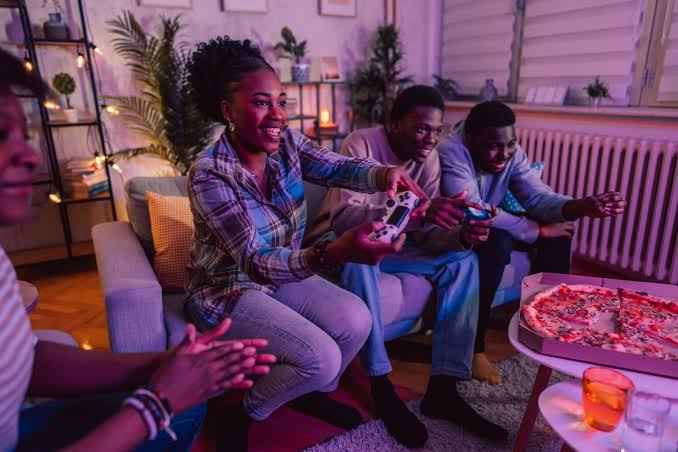

Entertainment has changed dramatically over the past few decades. What once meant sitting in front of a television, visiting an arcade, or gathering around a board game can now happen instantly through a connected device. The growth of digital technology has transformed the way people play, compete, communicate, and relax. At the heart of this change is the modern deal88 alternatif, which has become a major part of everyday digital entertainment.
From Simple Screens to Online Game Adventures
Think back to the early days of gaming. Players often had limited choices, basic graphics, and simple controls. Games were usually designed for one person or for friends sitting in the same room. Winning depended mostly on quick reactions and learning the mechanics.
Then internet access began changing everything.
Instead of playing against a computer, people could challenge opponents from different cities or even different countries. A teenager in Pakistan could compete with someone in Europe, while friends separated by thousands of miles could still enjoy the same virtual adventure.
This created something bigger than a game. It created a social experience.
The Rise of Connected Entertainment
As internet connections became faster and more reliable, online gaming grew rapidly. Developers started creating worlds where thousands of players could interact. Multiplayer battles, cooperative missions, competitive tournaments, and virtual communities became common.
Imagine finishing school or work after a long day and joining friends for a few matches. You may never have met some of those players in person, yet after dozens of sessions, they can feel surprisingly familiar.
That emotional connection helped gaming move beyond simple entertainment.
Players began forming teams, sharing strategies, celebrating victories, and learning from defeats. Communication tools such as voice chat and messaging made these experiences even more personal.
How Technology Changed the Online Game Experience
Technology has played a huge role in this evolution. Better processors, improved graphics, faster internet, and powerful mobile devices have raised expectations.
Games can now offer detailed environments, realistic sound, dynamic weather, huge maps, and complex stories. Mobile gaming has also removed many barriers. A person does not necessarily need an expensive computer or dedicated console. A smartphone can provide access to countless gaming experiences.
Cloud technology has pushed the idea even further. Instead of relying entirely on local hardware, some gaming services allow users to stream games through the internet. This makes high-quality entertainment more accessible to people with suitable connections and devices.
Online Game Communities Are Bigger Than Ever
One of the most interesting developments is the growth of gaming communities. Players no longer simply finish a game and move on. They discuss updates, create guides, share clips, watch competitions, and participate in online events.
Social platforms have strengthened this culture. A memorable gaming moment can become a short video watched by thousands of people. A talented player can build an audience through live streams. A small group of friends can develop its own traditions and inside jokes.
Why does this matter?
Because entertainment becomes more meaningful when people can share it.
For many players, the community surrounding a game can be just as enjoyable as the gameplay itself.
The Growth of Competitive Gaming
Competitive gaming has also changed perceptions of digital play. Organized tournaments now attract large audiences, while skilled players can develop professional careers through competition, streaming, content creation, and sponsorships.
What was once considered a casual hobby has become a serious entertainment industry.
A young player practicing every evening may not simply be trying to beat a personal high score. They might be improving teamwork, communication, decision-making, and strategic thinking. Competitive environments can be intense, but they also provide opportunities for players to test themselves against others.
Personalization Makes Games More Engaging
Modern games increasingly respond to individual preferences. Players can customize characters, choose different strategies, explore optional areas, and sometimes influence how stories unfold.
This sense of ownership creates stronger emotional involvement.
Consider a player who spends weeks developing a character. They choose the appearance, improve abilities, collect items, and build relationships within the game world. Eventually, that character feels less like a collection of pixels and more like a personal achievement.
That emotional investment is one reason digital games can remain engaging for years.
What Comes Next?
The future of gaming will likely become even more interactive. Virtual reality, augmented reality, artificial intelligence-driven characters, improved cloud services, and faster networks may create experiences that feel increasingly immersive.
However, technology alone will not determine the future.
The strongest games will still need something simple: a reason to care.
Players want excitement. They want challenges. They want stories worth remembering and communities worth joining. Whether someone plays for ten minutes during a lunch break or spends an entire weekend exploring a virtual world, the emotional experience remains important.
A New Era of Digital Entertainment
The evolution of gaming shows how quickly entertainment can change when technology meets human creativity. From simple local experiences to massive connected worlds, games have become more social, accessible, and immersive than ever.
The journey is far from finished. New devices and ideas will continue to reshape how people play and connect. Yet one thing is unlikely to change: the desire to escape routine, experience something exciting, and share memorable moments with others.
For anyone curious about modern digital entertainment, exploring a new deal88id.app can be a simple way to experience just how far gaming has come.