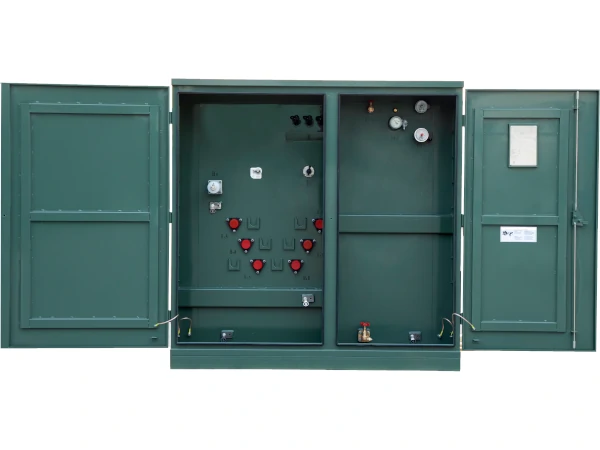

A zig zag transformer is a specialized type of transformer primarily used for grounding and harmonic control in three-phase power systems. Unlike conventional transformers designed for voltage conversion, the zig-zag configuration serves a unique purpose—creating a neutral point in systems where none exists and improving overall power quality.
In modern electrical networks, especially those involving industrial loads and renewable energy systems, the need for stable grounding and fault management is critical. This is where the zigzag transformer, also known as a zig zag grounding transformer, becomes an essential component.
What is a Zig-Zag Transformer?
A zig zag transformer is a three-phase transformer with a unique winding configuration that allows it to provide a neutral point without requiring a secondary winding. It is commonly used in delta-connected systems where a neutral is not naturally available.
The defining feature of a zigzag transformer lies in its winding arrangement. Each phase winding is split into two halves and connected in a way that balances the system while allowing zero-sequence currents (such as ground fault currents) to pass through.
Key Characteristics:
- No primary or secondary voltage transformation (in most cases)
- Provides a neutral point for grounding
- Handles unbalanced loads effectively
- Suppresses harmonics in the system
Because of these features, the zig zag grounding transformer is widely used in industrial and utility applications where grounding and stability are priorities.
Understanding the Zig-Zag Winding Configuration
The zig-zag winding configuration is what sets this transformer apart from conventional designs.
How the Winding is Arranged
In a zig zag transformer:
- Each phase consists of two windings
- These windings are connected to different phases
- The arrangement creates a zig-zag pattern across the three phases
For example:
- One half of a winding is connected to one phase
- The other half is connected to another phase in the opposite direction
This unique structure ensures that:
- Normal phase currents cancel each other out
- Only zero-sequence currents (such as ground fault currents) flow through the transformer
How a Zig Zag Transformer Creates a Neutral
In three-phase systems like delta configurations, there is no inherent neutral point. This absence can lead to issues such as undetected ground faults and voltage instability.
A zigzag transformer solves this problem by artificially creating a neutral point.
Step-by-Step Working Principle
1. Balanced Operation
Under normal operating conditions:
- The currents in each winding are balanced
- Magnetic flux in the core cancels out
- The transformer draws minimal current
2. Ground Fault Condition
When a ground fault occurs:
- Zero-sequence currents flow through the system
- These currents are directed through the zig-zag windings
- The transformer provides a path to ground
3. Neutral Point Formation
The interconnected windings create a stable neutral point:
- This neutral can be grounded directly or through a resistor
- Fault current flows safely to earth
4. Fault Detection
Protective devices detect the fault current and isolate the affected section.
Through this process, the zig zag grounding transformer ensures system safety and stability without requiring a traditional neutral.
Role in Transformer Grounding
The primary application of a zig zag transformer is in grounding. It enables proper grounding in systems where direct grounding is not possible.
Why Grounding is Important:
- Prevents overvoltage conditions
- Enables fault detection
- Protects equipment and personnel
- Stabilizes system voltage
The zigzag transformer provides a controlled path for ground fault currents, making it an essential tool in effective grounding strategies.
Benefits of a Zig Zag Transformer
The popularity of the zig zag grounding transformer is driven by its multiple advantages in electrical systems.
1. Provides a Neutral Without Secondary Winding
Unlike other grounding transformers, the zig-zag design does not require a separate secondary winding. This reduces:
- Cost
- Size
- Complexity
2. Effective Fault Current Management
The transformer allows zero-sequence currents to flow during faults, ensuring:
- Quick fault detection
- Reliable operation of protection systems
- Reduced damage to equipment
3. Harmonic Suppression
One of the key advantages of a zigzag transformer is its ability to suppress harmonics, particularly third harmonics.
Harmonics can:
- Distort voltage waveforms
- Cause overheating
- Reduce efficiency
The zig-zag winding helps cancel out these harmonics, improving overall power quality.
4. Handles Unbalanced Loads
In real-world systems, loads are rarely perfectly balanced. The zig zag transformer:
- Distributes unbalanced currents evenly
- Maintains system stability
- Prevents voltage fluctuations
5. Compact and Cost-Effective Design
Since it does not require a full secondary winding, the zig zag grounding transformer is:
- Smaller in size
- Easier to install
- More economical compared to other grounding solutions
6. Enhances System Reliability
By stabilizing voltage and enabling fault detection, the transformer ensures:
- Continuous operation
- Reduced downtime
- Improved system performance
Industrial Uses of Zig Zag Transformers
The zig zag transformer is widely used across various industries due to its versatility and reliability.
1. Power Distribution Systems
In utility networks, especially those with delta-connected systems:
- A zigzag transformer provides a neutral point
- Enables proper grounding
- Improves fault protection
It is commonly installed in substations and distribution networks.
2. Manufacturing and Heavy Industries
Industries with large electrical loads rely on stable power systems. The zig zag grounding transformer helps:
- Protect machinery from electrical faults
- Maintain consistent voltage levels
- Improve operational safety
Common sectors include:
- Steel plants
- Chemical industries
- Oil and gas facilities
3. Renewable Energy Systems
With the growth of renewable energy, zig-zag transformers are becoming increasingly important.
In Solar Power Plants:
- Provide grounding for inverter systems
- Stabilize output voltage
- Improve grid compatibility
In Wind Energy Systems:
- Enable grounding in isolated systems
- Protect turbines from electrical faults
The zig zag transformer ensures safe and efficient integration of renewable energy into the grid.
4. Data Centers and IT Infrastructure
Modern data centers require high-quality, uninterrupted power.
A zigzag transformer helps:
- Reduce harmonic distortion
- Maintain voltage stability
- Protect sensitive electronic equipment
5. Mining and Remote Operations
In remote locations where power systems are isolated:
- Grounding becomes more challenging
- The zig zag grounding transformer provides a reliable solution
It ensures safety and consistent power supply in harsh environments.
6. Marine and Offshore Applications
Ships and offshore platforms often operate with isolated power systems.
A zig zag transformer:
- Provides grounding in confined systems
- Prevents electrical hazards
- Enhances operational safety
Comparison with Other Grounding Methods
While there are multiple ways to achieve grounding, the zig zag transformer stands out due to its efficiency and simplicity.
Compared to Wye-Delta Transformers:
- Requires fewer windings
- More compact design
- Lower cost
Compared to Direct Grounding:
- Provides controlled fault current
- Reduces system stress
Compared to Ungrounded Systems:
- Enables fault detection
- Prevents overvoltage
These advantages make the zigzag transformer a preferred choice in many applications.
Design Considerations
When implementing a zig zag grounding transformer, several factors must be considered:
- System voltage and capacity
- Fault current requirements
- Type of grounding (solid or resistance grounding)
- Environmental conditions
- Installation location
Proper design ensures optimal performance and long-term reliability.
Challenges and Limitations
Despite its many advantages, the zig zag transformer has certain limitations:
- Not suitable for voltage transformation
- Limited to grounding and harmonic control
- Requires proper sizing for fault current handling
However, when used for its intended purpose, it remains highly effective.
Conclusion
The zig zag transformer is a vital component in modern electrical systems, offering a practical and efficient solution for grounding and power quality improvement. Its unique winding configuration allows it to create a neutral point in systems where none exists, ensuring safe and stable operation.
By enabling fault current flow, suppressing harmonics, and handling unbalanced loads, the zigzag transformer enhances both safety and performance. Its widespread use in industries, power distribution networks, and renewable energy systems highlights its importance in today’s evolving energy landscape.
As electrical systems continue to grow in complexity, the role of the zig zag grounding transformer will remain essential in maintaining reliability, protecting equipment, and ensuring uninterrupted power supply.