Organizations that manage large volumes of sensitive information must align security, compliance, and operational efficiency. Achieving that balance requires an integrated approach that combines clear policies, robust technical controls, continuous monitoring, and an organizational culture that prioritizes accountability. This article explores practical strategies for securing data across its lifecycle while meeting regulatory obligations and enabling business agility.
Establishing a Risk-Aware Baseline
Start by mapping the data estate and classifying information according to sensitivity, legal requirements, and business value. A thorough inventory reveals where personal data, intellectual property, and financial records reside, which systems process them, and which third parties have access. Risk assessments then quantify potential impacts from loss, unauthorized access, or corruption, and prioritize remediation. By adopting a risk-aware baseline, leaders can allocate resources where they will reduce exposure most effectively and make informed trade-offs between security controls and user productivity.
Policy-Driven Architecture
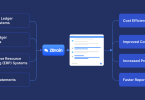
Policies should be the foundation of technical design rather than an afterthought. Establishing clear rules for access, retention, encryption, and cross-border transfers ensures consistent treatment of data across applications and infrastructure. Centralized policy platforms enable automated enforcement, reducing the reliance on manual processes that are error-prone and slow. Embedding governance across service design, procurement, and change management helps to avoid the common failure of securing only what is visible today. Implementing a centralized data governance framework aligns policy, roles, and controls so that architectural decisions reflect regulatory obligations and business priorities.
Technical Controls and Data Lifecycle
Encryption at rest and in transit provides a baseline defense, but more nuanced controls are necessary to manage risk across the data lifecycle. Strong identity management and least-privilege access limit exposure by ensuring that users and services can access only the data they need. Data loss prevention technologies detect and block unauthorized exfiltration and can be tuned to minimize false positives. Where practicable, adopt tokenization or anonymization to reduce the volume of sensitive material stored in production environments. Secure software development practices and automated testing embed data protection into applications from the start. Finally, enforce retention policies that remove stale data, reducing the surface area for potential breaches and simplifying compliance.
Compliance, Auditing, and Reporting
Regulatory requirements vary by jurisdiction and sector, but effective compliance programs share common elements: clear responsibilities, documented controls, and demonstrable evidence of enforcement. Continuous auditing pipelines that gather telemetry from logs, configurations, and processes make it possible to detect deviations from policy quickly. Reporting dashboards tailored for executives, compliance officers, and technical teams translate technical telemetry into actionable insights. Regular third-party assessments and penetration tests provide independent validation of security posture and reveal blind spots. When incidents occur, a rehearsed response plan with defined escalation paths ensures that notifications, remediation, and post-incident reviews meet both legal obligations and stakeholder expectations.
Culture, Training, and Ownership
Technology and policies are ineffective without people who understand and commit to them. Build accountability by assigning data owners who are responsible for classification, access decisions, and lifecycle management. Security and privacy awareness training should be role-specific, focusing on the threats most likely to affect each function, from developers to executive leadership. Encourage cross-functional collaboration between security, legal, compliance, and business units through regular working sessions and shared objectives. Recognition of compliance-minded behavior and transparent communication about incidents and lessons learned further reinforce a culture where protection of data is integrated into everyday operations.
Vendor and Third-Party Risk Management
Enterprises rarely operate in isolation; third-party services and cloud providers are integral to modern systems. Treat vendor selection and onboarding as a security-critical process. Require attestation of controls, evidence of certifications where relevant, and contractual protections that cover security obligations and breach notification. Continuous oversight is essential: monitor vendor performance against agreed service-level objectives and reassess risk as vendors evolve their offerings or relationships with sub-processors. When integrating third-party systems, design boundaries that minimize data exposure and ensure that data flows are auditable.
Roadmap for Implementation
A pragmatic roadmap sequences short-term wins with longer-term structural changes. Start with a manageable pilot that demonstrates centralized policy enforcement and measurable risk reduction. Use that success to secure resources for broader initiatives such as identity modernization, centralized logging, and lifecycle automation. Establish metrics that quantify improvements in incident detection time, access review completion, and audit readiness. Regularly revisit priorities based on emerging threats, regulatory updates, and business strategy. By treating security and compliance as continuous programs rather than one-off projects, enterprises can adapt to shifting requirements while maintaining operational momentum.
Sustaining Resilience
Long-term resilience depends on integrating security into strategic planning, funding predictable maintenance, and staying informed about threat and regulatory trends. Leaders should create governance forums that meet regularly to review metrics, incidents, and regulatory changes and then translate those discussions into prioritized actions. Emphasize transparency with stakeholders and adopt a mindset that accepts the inevitability of incidents while focusing on detection, containment, and recovery. With disciplined execution across policy, technology, people, and vendor management, enterprises can protect critical assets, preserve customer trust, and meet compliance obligations without stifling innovation.