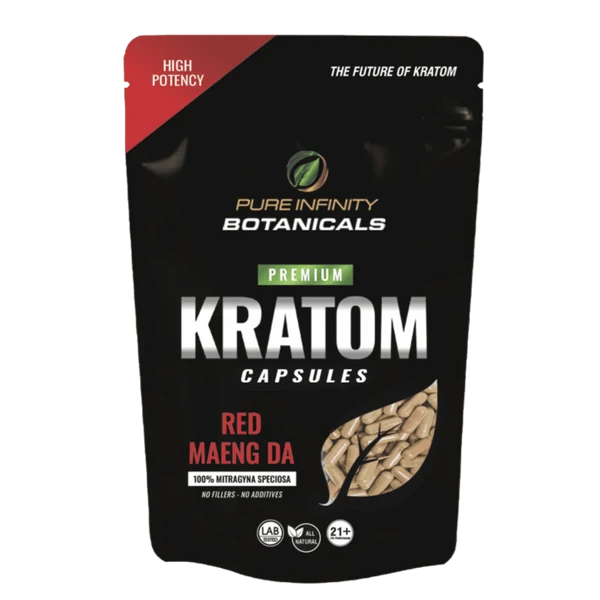

A botanical product may look straightforward on a shelf, but plenty happens before a capsule reaches the bottle. Plant selection, harvesting, drying, processing, testing, packaging, and storage can all affect the finished product. People researching bali kratom capsules may encounter dozens of descriptions that sound similar, making it difficult to tell which details actually matter. A closer look at sourcing and quality practices can make the buying process more informed and less dependent on marketing language.
The Journey Begins With the Raw Botanical Material
Every botanical capsule starts with plant material. Its characteristics can be influenced by growing conditions, harvesting practices, drying methods, and how the material is transported and stored.
The origin of the material is therefore more than a line on a product page. It provides context about how the ingredient entered the supply chain.
Responsible sellers should be able to provide basic information about their sourcing practices. Buyers can look for clear descriptions rather than vague statements that offer little insight into the actual process.
Why Batch Tracking Matters
A bottle should not be treated as an isolated item. It belongs to a particular production batch, and that batch can be associated with specific raw materials, processing records, testing results, and packaging information.
Batch identification gives manufacturers and consumers a way to connect a finished product with its production history.
Useful information can include:
- Lot or batch number
- Production or packaging date
- Ingredient identification
- Testing documentation
- Storage recommendations
- Manufacturer or distributor details
A traceable batch system also makes it easier to investigate questions about a particular product instead of treating every bottle as identical.
Testing Provides Information Beyond the Label
A product label tells consumers what the manufacturer says is inside the package. Laboratory testing can provide another layer of information.
A certificate of analysis, commonly called a COA, may contain results from testing performed on a specific batch. Depending on the laboratory and testing program, reports can address contaminants, microbial activity, heavy metals, pesticides, or other quality parameters.
Consumers should examine the details of a report rather than simply looking for the words “lab tested.�
A useful COA should ideally identify:
- The tested product or material
- The corresponding batch or lot
- Laboratory information
- Testing date
- Methods or test categories
- Reported results
- Applicable specifications or limits
A document that cannot be connected to the bottle being purchased provides less practical value.
Capsule Ingredients Deserve a Second Look
The botanical ingredient is only one component of a capsule. The shell and any additional ingredients can matter to consumers with dietary preferences or sensitivities.
Capsules may use different shell materials, including gelatin or plant-derived alternatives. Some formulations can also contain excipients used during manufacturing.
Reading the complete ingredient list helps buyers avoid assumptions based solely on the product’s name.
Packaging deserves attention as well. Botanical materials should be protected from conditions that could affect their quality during storage and transportation. Once purchased, consumers should follow the manufacturer’s instructions regarding temperature, moisture, light, and general storage.
Organic Claims Need Context
The word “organic� can attract attention, but shoppers should examine what a particular claim actually means. Organic standards and certification requirements can differ by jurisdiction and certification program.
A seller making an organic-related claim should provide enough information for consumers to understand its basis. Certification, when applicable, may be supported by documentation from an appropriate certifying organization.
Marketing language alone does not establish certification.
This distinction is useful across the supplement industry. Consumers can ask whether a claim refers to the agricultural practices used to produce the raw material, the finished product, or a formal certification.
Processing Can Affect the Finished Product
Raw botanical material does not simply move from a farm into a capsule. It may undergo drying, grinding, handling, testing, and encapsulation before reaching the consumer.
Each stage creates an opportunity for contamination, inconsistency, or improper handling, which is why manufacturing controls deserve attention.
A manufacturer should have procedures for maintaining cleanliness, identifying materials, controlling production, documenting batches, and handling finished products. Consumers do not need access to every internal manufacturing record, but basic transparency can provide useful context.
Pure Infinity Botanicals is one example of a seller that consumers can evaluate by examining the product information, sourcing details, testing documentation, and quality practices it makes available.
Product Descriptions Should Stay Grounded
Botanical products are sometimes accompanied by sweeping claims about physical or mental effects. Consumers should separate product facts from statements about health outcomes.
Research surrounding kratom and its constituents remains an active area of scientific study, and evidence does not automatically support every claim found in online marketing. A commercial product description should not be confused with medical advice or clinical evidence.
People who take prescription medications, have an existing medical condition, are pregnant or breastfeeding, or have concerns about possible interactions should speak with a qualified healthcare professional before using kratom.
Responsible sellers should also avoid presenting botanical products as substitutes for professional diagnosis or treatment.
A Simple Product-Checking Routine
Consumers can develop a repeatable process for evaluating botanical capsules. The goal is not to become an expert in laboratory science. It is to identify information that can be verified.
Before purchasing, review these areas:
- Ingredient panel: Check every listed ingredient, not just the primary botanical.
- Batch information: Look for a lot number that identifies the specific product.
- Laboratory reports: Determine whether testing documents correspond to the relevant batch.
- Sourcing information: Look for meaningful details about where raw materials originate.
- Manufacturing practices: Check whether the seller explains basic quality controls.
- Packaging: Review storage and handling information.
- Product claims: Separate measurable product details from broad wellness promises.
- Legal considerations: Confirm applicable rules in the location where the product will be purchased and used.
This routine can also help shoppers compare products without relying solely on branding or price.
Storage Continues After the Purchase
Quality control does not stop when a package reaches the customer. Improper storage can expose botanical products to moisture, heat, light, or other unfavorable conditions.
The manufacturer’s storage recommendations should take priority. Keeping capsules in their original sealed container and storing them in an appropriate environment can help protect the contents.
Consumers should also pay attention to expiration or best-use information and avoid using products with damaged packaging or signs of contamination.
Better Questions Lead to Better Purchasing Decisions
A trustworthy product page should answer practical questions rather than simply make a product sound appealing. Buyers can ask where the material comes from, how batches are identified, what testing is performed, what the capsules contain, and how the finished product should be stored.
Those questions shift attention from promotional wording toward information that can actually be checked.
For shoppers who want additional product details or have questions about available botanical options, contact us today for information that can help clarify sourcing, testing, ingredients, and product specifications. Taking time to review those details gives consumers a stronger basis for deciding which products fit their personal preferences and purchasing requirements.