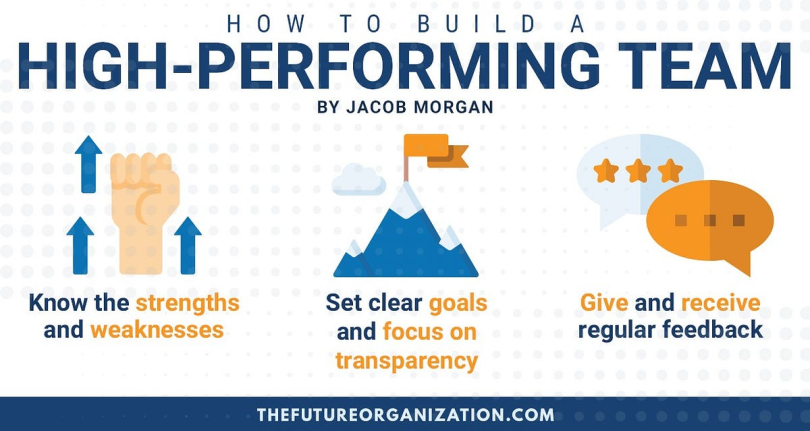

Building a high-performing team is one of the most important goals for any business that wants to grow sustainably. A strong team does more than complete tasks; it drives innovation, improves efficiency, strengthens customer satisfaction, and helps a company adapt to changing market conditions. In today’s competitive environment, businesses cannot rely on individual talent alone. Success depends on how well people work together toward shared objectives.
Modern businesses also operate in increasingly flexible and global structures. Many companies are formed with a registered business address that allows them to establish a professional presence, manage compliance requirements, and build credibility in both local and international markets. However, a formal business setup alone does not guarantee performance. The real differentiator is the quality of the team operating behind the business.
This article explores how to build a high-performing team by focusing on leadership, culture, communication, hiring, systems, and continuous development.
Understanding What Makes a Team High-Performing
A high-performing team is not simply a group of skilled individuals working in the same organization. It is a coordinated unit where members trust each other, communicate effectively, and work toward clearly defined goals.
Such teams consistently deliver results, adapt quickly to challenges, and maintain high levels of engagement. They also demonstrate accountability, ownership, and a strong sense of shared purpose.
In companies that operate using a registered business address, team performance becomes even more important because external stakeholders expect professionalism, consistency, and reliability from the organization. The team becomes the driving force behind that reputation.
Establishing a Clear Vision and Purpose
Every high-performing team begins with a clear vision. People perform better when they understand why their work matters and how it contributes to a larger goal.
A strong vision provides direction and motivation. It aligns individual efforts with organizational objectives and reduces confusion about priorities.
Leaders must communicate this vision repeatedly and consistently. It should not be a one-time statement but an ongoing message that shapes decision-making and behavior.
For businesses operating with a registered business address, clarity of purpose also helps establish credibility with clients, partners, and regulators who expect a well-organized and purpose-driven organization.
Hiring the Right People for the Right Roles
Team performance is heavily influenced by hiring decisions. A high-performing team starts with selecting individuals who not only have the necessary skills but also fit the company culture.
Technical ability is important, but attitude, adaptability, and collaboration skills are equally critical. Employees who can work well under pressure and embrace change contribute more effectively to long-term success.
Hiring mistakes can significantly disrupt team dynamics and reduce productivity. Therefore, recruitment should be approached strategically rather than hastily.
In organizations that use a registered business address, hiring decisions often reflect the company’s professional identity. A well-structured team reinforces the credibility associated with the business presence.
Building a Strong Organizational Culture
Culture is the foundation of every high-performing team. It defines how people behave, communicate, and collaborate within the organization.
A positive culture encourages trust, transparency, accountability, and mutual respect. It also supports innovation and continuous improvement.
Without a strong culture, even highly skilled teams can become disorganized or inefficient. Culture provides the invisible structure that holds teams together.
For businesses operating under a registered business address, culture also plays a role in shaping external perception. A disciplined and professional internal culture often reflects positively on the company’s reputation.
Defining Roles and Responsibilities Clearly
Ambiguity in roles is one of the most common reasons teams underperform. When responsibilities are unclear, tasks are duplicated or neglected, leading to inefficiencies and frustration.
Each team member should understand what is expected of them, what outcomes they are responsible for, and how their work contributes to overall goals.
At the same time, high-performing teams maintain flexibility. While roles are defined, members are encouraged to collaborate and support each other when needed.
In structured business environments using a registered business address, clear role definition ensures smooth operations and compliance with professional standards.
Strengthening Communication Systems
Communication is the backbone of every successful team. Without clear communication, even the best strategies fail in execution.
High-performing teams prioritize transparency, clarity, and consistency in communication. They use structured systems for meetings, reporting, and feedback.
Good communication reduces misunderstandings, improves decision-making, and increases efficiency. It also builds trust among team members.
For companies that operate with a registered business address, effective communication ensures that internal coordination aligns with external expectations such as client communication and regulatory reporting.
Encouraging Accountability and Ownership
Accountability is a defining characteristic of high-performing teams. When individuals take ownership of their responsibilities, performance improves significantly.
Accountability means that team members are responsible not only for completing tasks but also for the quality and impact of their work.
Leaders must set clear expectations and follow up consistently. However, accountability should not feel punitive; it should be a shared commitment to excellence.
In organizations with a registered business address, accountability also extends to maintaining professional standards that reflect the company’s official business identity.
Providing Strong Leadership and Guidance
Leadership plays a central role in team performance. Effective leaders provide direction, support, and motivation while also allowing team members the autonomy to perform their roles.
Good leaders do not micromanage. Instead, they empower their teams, remove obstacles, and help solve problems when needed.
Leadership also involves setting an example. Teams are more likely to perform well when leaders demonstrate discipline, integrity, and commitment.
For businesses operating with a registered business address, leadership behavior directly influences how the company is perceived by external stakeholders.
Fostering Collaboration and Teamwork
Collaboration is essential for high performance. Teams that work well together are more innovative, efficient, and adaptable.
Collaboration requires trust, open communication, and a willingness to share ideas. It also involves respecting different perspectives and working toward shared solutions.
High-performing teams avoid siloed thinking and encourage cross-functional cooperation.
In structured organizations using a registered business address, collaboration ensures that different departments or roles align with the company’s overall goals.
Using Technology to Improve Team Efficiency
Modern teams rely heavily on technology to stay organized and productive. Tools for communication, project management, and file sharing help streamline workflows and reduce inefficiencies.
Technology allows teams to track progress, assign tasks, and manage deadlines more effectively.
It also supports remote and hybrid work environments, which are increasingly common in global business structures.
For companies that operate with a registered business address, technology ensures that even distributed teams remain connected and aligned.
Setting Performance Goals and Measuring Results
High-performing teams operate with clear goals and measurable outcomes. Without goals, performance becomes inconsistent and difficult to evaluate.
Goals should be specific, realistic, and aligned with business objectives. Regular performance reviews help track progress and identify areas for improvement.
Measurement provides accountability and ensures that teams stay focused on priorities.
In businesses with a registered business address, performance tracking also supports compliance and operational transparency.
Supporting Continuous Learning and Development
A high-performing team is always learning. Continuous development ensures that employees stay updated with industry trends, improve their skills, and adapt to new challenges.
Training programs, workshops, and mentorship opportunities contribute to long-term team growth.
Learning also improves motivation and job satisfaction, which directly impacts performance.
Organizations that operate with a registered business address benefit from structured development programs that reinforce professionalism and long-term stability.
Managing Conflict Effectively
Conflict is natural in any team environment, but how it is managed determines its impact on performance.
High-performing teams address conflict early and constructively. They focus on solutions rather than blame and encourage open dialogue.
When managed properly, conflict can lead to better ideas and stronger collaboration.
In structured business environments using a registered business address, effective conflict management helps maintain professionalism and operational stability.
Building Motivation and Engagement
Motivated teams consistently outperform disengaged ones. Motivation comes from recognition, purpose, growth opportunities, and a positive work environment.
Employees who feel valued are more likely to contribute actively and stay committed to organizational goals.
Engagement also improves productivity and reduces turnover.
For businesses operating with a registered business address, maintaining high engagement helps strengthen long-term business reputation and internal stability.
Conclusion
Building a high-performing team requires more than hiring talented individuals. It involves creating a strong foundation of vision, culture, communication, accountability, and leadership. Teams must be aligned, motivated, and supported by systems that enable collaboration and continuous improvement.
In modern business environments, where organizations often operate using a registered business address, team performance becomes even more critical. It reflects the professionalism and credibility of the entire business structure.
Companies that invest in building strong teams are more likely to achieve sustainable growth, adapt to challenges, and maintain a competitive advantage in the long run.
FAQs
What defines a high-performing team?
A high-performing team is defined by strong collaboration, clear goals, accountability, and consistent delivery of high-quality results.
Why is team building important in business?
Team building improves communication, productivity, and collaboration, which directly contributes to business success.
What is the role of a registered business address in team management?
A registered business address provides a formal business identity that supports compliance, credibility, and structured operations.
How can leaders improve team performance?
Leaders can improve performance by setting clear goals, communicating effectively, supporting development, and fostering accountability.
Why do teams fail to perform well?
Teams often fail due to poor communication, unclear roles, lack of leadership, and weak organizational culture.
How important is communication in a team?
Communication is essential because it ensures alignment, reduces misunderstandings, and improves coordination.
Can small businesses build high-performing teams?
Yes, small businesses can build high-performing teams by focusing on culture, clear roles, and strong leadership.
What role does motivation play in team success?
Motivation increases engagement, productivity, and commitment, making it a key factor in team performance.